

Are there any size limitations for battery modules? This is a question that often comes up in the minds of those involved in the energy storage and electric vehicle industries. As a battery modules supplier, I've had the opportunity to delve deep into this topic and understand the various factors at play.
Factors Influencing Battery Module Sizes
One of the primary factors that can limit the size of battery modules is the application. Different applications have different requirements for power, energy density, and physical space. For instance, in electric vehicles (EVs) and hybrid electric vehicles (HEVs), space is often at a premium. Automakers need to fit battery modules into specific compartments within the vehicle, which means that the size of the battery modules must be carefully designed to optimize the use of available space.
Our 1P12S 44.4V 139Ah NCM Battery Module for EV and HEV is a great example of a battery module designed with the specific requirements of EVs and HEVs in mind. It is engineered to provide a high energy density while fitting into the limited space available in these vehicles. The module's size is a result of a careful balance between the need for high performance and the constraints of the vehicle's design.
Another factor that can influence the size of battery modules is the manufacturing process. The production of battery modules involves several steps, including cell assembly, welding, and packaging. Each of these steps has its own limitations in terms of the size of the components that can be handled efficiently. For example, the welding equipment used in the assembly process may have a maximum size capacity, which can limit the size of the battery modules that can be produced.
Safety Considerations and Size Limitations
Safety is a critical concern when it comes to battery modules. Larger battery modules can store more energy, which means that in the event of a malfunction or accident, the potential for damage and danger is greater. To mitigate these risks, battery manufacturers often need to incorporate additional safety features into larger battery modules, such as better thermal management systems and more robust cell protection mechanisms.
These safety features can add to the size and complexity of the battery modules. For example, a larger battery module may require a more extensive cooling system to prevent overheating, which can increase the overall size of the module. As a result, safety considerations can sometimes limit the size of battery modules, especially in applications where space is limited and the need for safety is high.
Scalability and Customization
Despite the potential size limitations, battery modules can often be designed to be scalable and customizable. This means that instead of using a single large battery module, multiple smaller modules can be combined to achieve the desired power and energy requirements. This approach offers several advantages, including greater flexibility in design and easier maintenance.

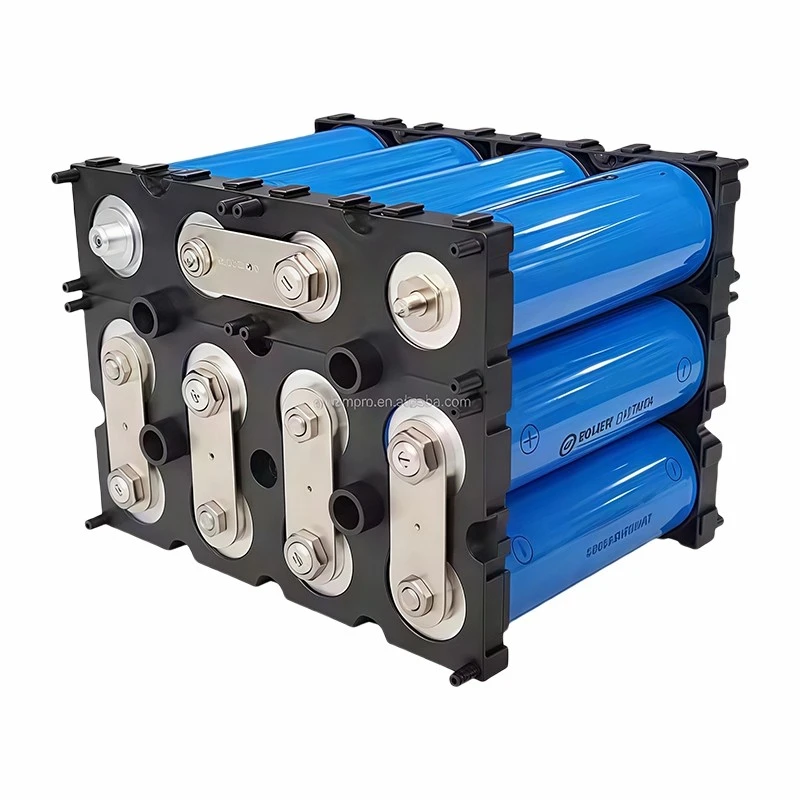
Our 12.8V 50Ah LiFePO4 Battery Module and DIY 8S1P 25.6V 100Ah LiFePO4 Battery Module are examples of battery modules that can be easily combined to create larger battery systems. These modules are designed with standard interfaces and connection methods, making it straightforward to connect multiple modules together to meet the specific needs of different applications.
Market Trends and Future Developments
The market for battery modules is constantly evolving, and there are several trends that are likely to impact the size limitations of battery modules in the future. One of the key trends is the increasing demand for higher energy density battery modules. As consumers and industries demand longer-lasting and more powerful battery solutions, battery manufacturers are under pressure to develop modules that can store more energy in a smaller space.
Advances in battery technology, such as the development of new electrode materials and cell designs, are also likely to play a role in overcoming size limitations. These technological advancements may enable the production of battery modules with higher energy densities and smaller footprints, which could open up new possibilities for applications in a wide range of industries.
Conclusion
In conclusion, while there are indeed size limitations for battery modules, these limitations are not absolute. The size of battery modules is influenced by a variety of factors, including the application, manufacturing process, safety considerations, and market trends. As a battery modules supplier, we understand the importance of balancing these factors to provide our customers with the best possible solutions.
If you are interested in learning more about our battery modules or discussing your specific requirements, we invite you to reach out to us for a procurement negotiation. Our team of experts is ready to assist you in finding the right battery module solution for your needs.
References
- Goodenough, J. B., & Kim, Y. (2010). Challenges for rechargeable Li batteries. Chemistry of Materials, 22(3), 587-603.
- Tarascon, J. M., & Armand, M. (2001). Issues and challenges facing rechargeable lithium batteries. Nature, 414(6861), 359-367.