

When it comes to installing a residential Energy Storage System (ESS), regulatory requirements are a crucial consideration. As a supplier of residential ESS, I've observed a growing interest from homeowners in these systems. The allure of energy self - sufficiency, peak shaving, and emergency backup power has made ESS a sought - after addition to many residences. But before diving into installation, it's essential to understand the regulatory landscape.
General Regulatory Framework
Residential ESS installation is subject to a complex web of regulations at the local, state, and sometimes even federal levels. These regulations exist to ensure safety, reliability, and the proper integration of energy systems into the existing electrical grid.
Safety Standards
Safety is paramount when it comes to energy storage. Most regions have adopted safety standards set by international or national organizations. For example, in the United States, the National Fire Protection Association (NFPA) has developed standards such as NFPA 855, which specifically addresses the installation of stationary energy storage systems. These standards cover aspects like the location of the ESS, fire protection, ventilation, and electrical wiring.
For instance, an ESS should be installed in a well - ventilated area to prevent the build - up of explosive gases that could be generated during the normal operation of some battery chemistries. The wiring must be sized correctly to handle the electrical current without overheating, reducing the risk of electrical fires.
Grid Connection Requirements
Connecting a residential ESS to the grid is another area that is highly regulated. Utility companies are worried about the impact of distributed energy resources on grid stability. In many cases, homeowners need to obtain permission from the local utility before installing an ESS that is connected to the grid.
The utility may require the ESS to have specific features, such as anti - islanding protection. This protection ensures that in the event of a power outage on the grid, the ESS disconnects itself to prevent feeding power back into the grid, which could endanger utility workers. Additionally, the ESS must meet certain power quality standards to ensure that the electricity it feeds into the grid does not cause problems for other consumers.
State and Local Regulations
The regulatory environment can vary significantly from one state to another and even from one municipality to another. Some states have more aggressive renewable energy goals and may offer incentives for installing residential ESS, but they also have more strict regulations.
California
California is a pioneer in promoting renewable energy and energy storage. The state has specific regulations related to residential ESS installation, especially in connection with solar panels. For example, California has standards for the sizing of energy storage systems in relation to the solar panel capacity of the residence. The California Public Utilities Commission (CPUC) also has rules regarding net metering and the use of energy storage in combination with rooftop solar to optimize self - consumption.
New York
New York has set ambitious goals for reducing greenhouse gas emissions. The state has a comprehensive regulatory framework for energy storage, which includes provisions for residential installations. New York offers incentives through programs like the Energy Storage Incentive Program (ESIP), but applicants must comply with technical and safety requirements. For instance, the ESS must meet certain efficiency and performance standards to be eligible for incentives.
Specific Product - Related Considerations
As a supplier of residential ESS, we offer a range of products, each with its own implications for regulatory compliance.
The Household LiFePO4 51.2V 200Ah Energy Storage Battery is a popular choice among homeowners due to its high energy density and long lifespan. However, its installation must comply with regulations related to battery storage. For example, the battery enclosure must be designed to prevent physical damage and protect against environmental factors such as moisture and extreme temperatures, as required by local building codes.
The Energy Storage System 51.2V/100Ah Base Station Energy Storage Battery Box is another product in our portfolio. This battery box is often used for backup power in homes. When installing this type of product, it's important to ensure that it meets electrical safety standards. For example, all electrical connections must be properly insulated and protected against short - circuits.
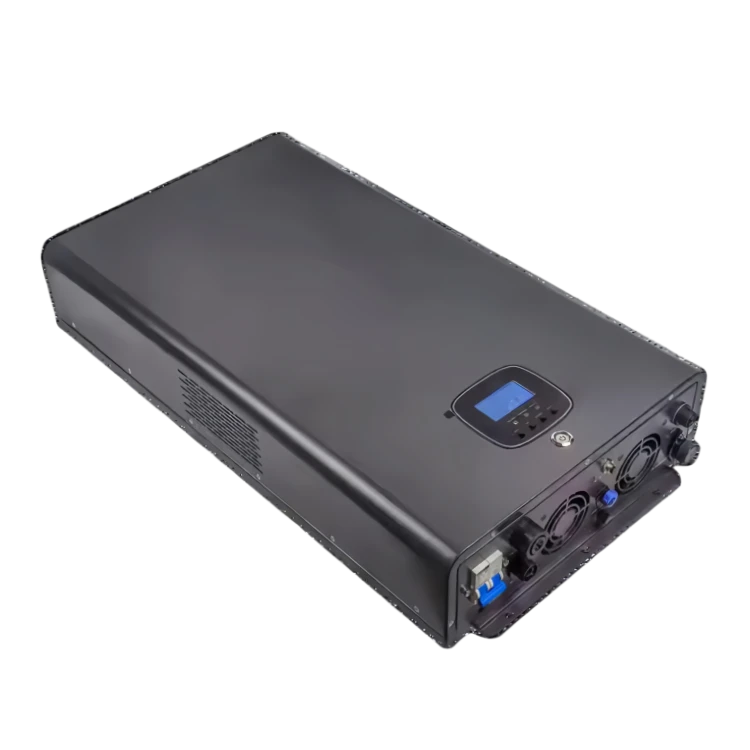
The All - in - One Integrated 2.6kWh Energy Storage System offers a convenient solution for residential energy storage. However, its integration with the home's electrical system must follow the rules set by the local electrical inspector. This may involve obtaining a permit for the installation and having the system inspected after installation to ensure compliance.
Obtaining Permits and Inspections
Before installing a residential ESS, homeowners typically need to obtain a permit from the local building department. The permit application process usually requires detailed information about the ESS, including its specifications, installation location, and the planned electrical connections.
After the installation is complete, an inspection is often required. The inspector will check to ensure that the installation meets all relevant codes and regulations. If any non - compliance issues are found, the homeowner will need to make the necessary corrections before the system can be put into operation.
Navigating Regulatory Requirements
Navigating the complex regulatory requirements for residential ESS installation can be challenging for homeowners. That's where our expertise as a supplier comes in. We work closely with our customers to help them understand the regulatory landscape and ensure that their installations are compliant.

We have a team of experts who are well - versed in the regulatory requirements of different regions. We can provide guidance on the permit application process, help homeowners select the right products that meet local regulations, and offer support during the inspection phase.
Conclusion
In conclusion, while there are significant regulatory requirements for installing a residential ESS, these requirements are in place to ensure the safety and reliability of energy storage systems. As a residential ESS supplier, we are committed to helping homeowners navigate these regulations. We believe that by providing high - quality products that meet regulatory standards and offering expert guidance, we can contribute to the widespread adoption of residential energy storage.
If you are considering installing a residential ESS and want to learn more about regulatory requirements, or if you are interested in purchasing our products, please reach out to us for more information. Our team is ready to assist you in making the right choices for your home energy needs.
References
- National Fire Protection Association. (202 - 2023). NFPA 855: Standard for the Installation of Stationary Energy Storage Systems.
- California Public Utilities Commission. (202 - 2023). Regulations Related to Solar and Energy Storage Integration.
- New York State Energy Research and Development Authority. (202 - 2023). Energy Storage Incentive Program Guidelines.