

Hey there! As a supplier of the 3.67V 78Ah NCM Lithium Ion Battery, I've seen firsthand how temperature can have a huge impact on battery performance. In this blog, I'm gonna break down how temperature affects our 3.67V 78Ah NCM Lithium Ion Battery and why it matters to you.
The Basics of NCM Lithium Ion Batteries
Before we dive into the temperature stuff, let's quickly go over what NCM lithium-ion batteries are. NCM stands for Nickel-Cobalt-Manganese. These batteries are known for their high energy density, long cycle life, and good power performance. Our 3.67V 78Ah NCM Lithium Ion Battery is designed to meet the needs of various applications, from electric vehicles to energy storage systems.
How Temperature Affects Battery Capacity
One of the most obvious ways temperature affects our battery is through its capacity. At normal room temperature (around 25°C), our 3.67V 78Ah NCM Lithium Ion Battery performs at its best. It can deliver the rated capacity, which means you get the full 78Ah of energy.
But when the temperature drops, things start to change. Cold temperatures slow down the chemical reactions inside the battery. Lithium ions move more sluggishly between the electrodes, which reduces the battery's ability to deliver its full capacity. For example, at -20°C, the capacity of our battery might drop to around 60 - 70% of its rated value. That means if you're relying on the battery in cold weather, you won't get as much energy out of it as you would at room temperature.
On the other hand, high temperatures can also be a problem. When it's too hot, say above 50°C, the battery can experience an increase in self-discharge. Self-discharge is when the battery loses its charge even when it's not being used. This can lead to a reduction in the available capacity over time. Also, high temperatures can cause the electrolyte in the battery to break down, which can damage the battery and shorten its lifespan.
Impact on Battery Voltage
Temperature also has an effect on the battery voltage. In cold temperatures, the internal resistance of the battery increases. This means that when you draw current from the battery, there's a larger voltage drop across the internal resistance. As a result, the terminal voltage of the battery is lower than it would be at room temperature.
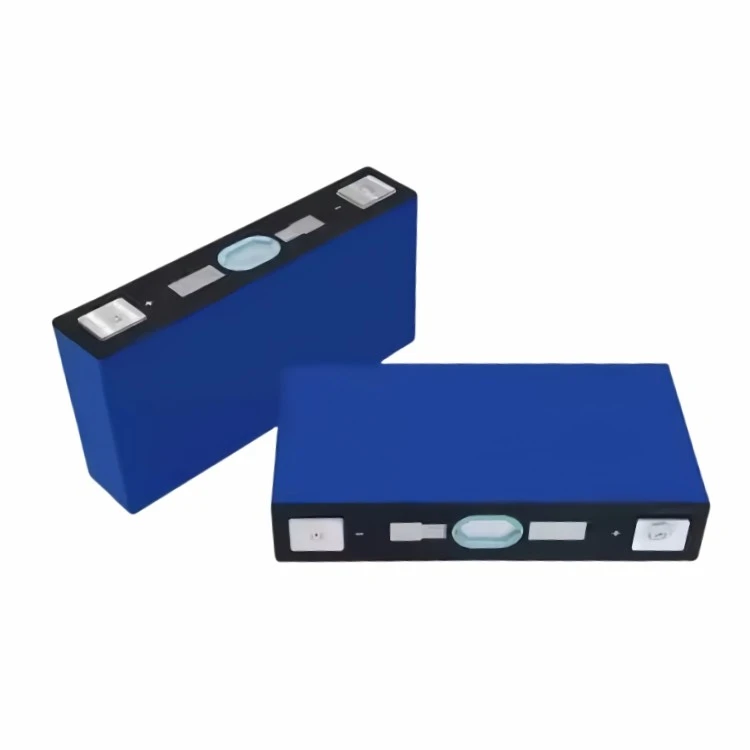

For instance, if you're using our battery to power a device that requires a certain voltage to operate properly, the lower voltage in cold weather might cause the device to malfunction or not work at all.
In high temperatures, the battery voltage can be higher than normal during charging. This is because the chemical reactions are happening more rapidly, and the battery can accept charge more easily. However, this higher voltage can also be dangerous if not properly controlled. It can lead to overcharging, which can damage the battery and pose a safety risk.
Effect on Battery Cycle Life
The cycle life of a battery refers to the number of charge-discharge cycles it can go through before its capacity drops to a certain level (usually 80% of its original capacity). Temperature plays a crucial role in determining the cycle life of our 3.67V 78Ah NCM Lithium Ion Battery.
Cold temperatures can cause lithium plating on the anode of the battery. Lithium plating occurs when lithium ions don't intercalate properly into the anode during charging and instead form metallic lithium on the surface. This can cause irreversible damage to the battery and reduce its cycle life.
High temperatures, on the other hand, accelerate the degradation of the battery components. The electrolyte can break down, the electrodes can lose their structure, and the battery can experience thermal runaway in extreme cases. Thermal runaway is a situation where the battery temperature rises uncontrollably, which can lead to a fire or explosion.
Performance in Different Applications
The temperature effects on our battery can have different implications depending on the application.
Electric Vehicles (EVs)
In EVs, temperature can significantly affect the driving range. In cold weather, the reduced battery capacity means you won't be able to drive as far on a single charge. Also, the lower voltage can affect the performance of the electric motor, leading to slower acceleration and reduced power.
On hot days, the high temperature can cause the battery to overheat, which can trigger the battery management system to limit the charging and discharging rates to protect the battery. This can result in longer charging times and reduced performance.
Energy Storage Systems (ESS)
For ESS, temperature management is crucial for maximizing the efficiency and lifespan of the battery. If the temperature is too cold, the reduced capacity means less energy can be stored and discharged. In high temperatures, the increased self-discharge and degradation can lead to higher energy losses and a shorter lifespan for the battery.
How to Mitigate Temperature Effects
As a supplier, we understand the importance of temperature management for our batteries. That's why our 3.67V 78Ah NCM Lithium Ion Battery is designed with some built-in features to help mitigate the effects of temperature.
We use advanced battery management systems (BMS) that can monitor the temperature of the battery and adjust the charging and discharging rates accordingly. The BMS can also balance the cells in the battery pack to ensure uniform performance.
In addition, we offer thermal management solutions for our batteries. These can include cooling systems for high-temperature environments and heating systems for cold climates.
Other Related Products
If the 3.67V 78Ah NCM Lithium Ion Battery doesn't quite meet your needs, we also have other options available. For example, our 3.7V 147Ah NCM Lithium Ion Battery offers a higher capacity, which might be suitable for applications that require more energy. And our Prismatic 3.65V 55Ah NCM Lithium Ion Battery Cell is a great choice for applications where space is limited.
Conclusion
So, as you can see, temperature has a significant impact on the performance of our 3.67V 78Ah NCM Lithium Ion Battery. Whether it's capacity, voltage, or cycle life, temperature can affect every aspect of the battery's performance. But with the right temperature management strategies and our high-quality products, you can ensure that your battery performs at its best in a wide range of temperatures.
If you're interested in learning more about our batteries or have any questions about how they perform in different temperatures, don't hesitate to reach out. We're here to help you find the best battery solution for your needs. Let's start a conversation about your requirements and see how our batteries can fit into your projects.
References
- "Lithium-Ion Batteries: Science and Technologies" by Y. Wang and J. Zhang
- "Battery Management Systems: Design by Modeling" by G. Plett