

Alright, folks! As a supplier of the 3.67V 78Ah NCM Lithium Ion Battery, I've seen firsthand how the depth of discharge (DOD) can really shake things up for these power - packed cells. So, let's dive right in and explore how DOD affects our 3.67V 78Ah NCM lithium - ion battery.
First off, what's DOD? Simply put, the depth of discharge is the percentage of a battery's capacity that has been used. For example, if you use half of a battery's total capacity, the DOD is 50%. It's a crucial factor because it directly ties into a battery's lifespan and performance over time.
Now, let's talk about our 3.67V 78Ah NCM Lithium Ion Battery. These batteries are made with a Nickel - Cobalt - Manganese (NCM) cathode, which offers a great balance of energy density, power output, and cost. But how does DOD come into play here?

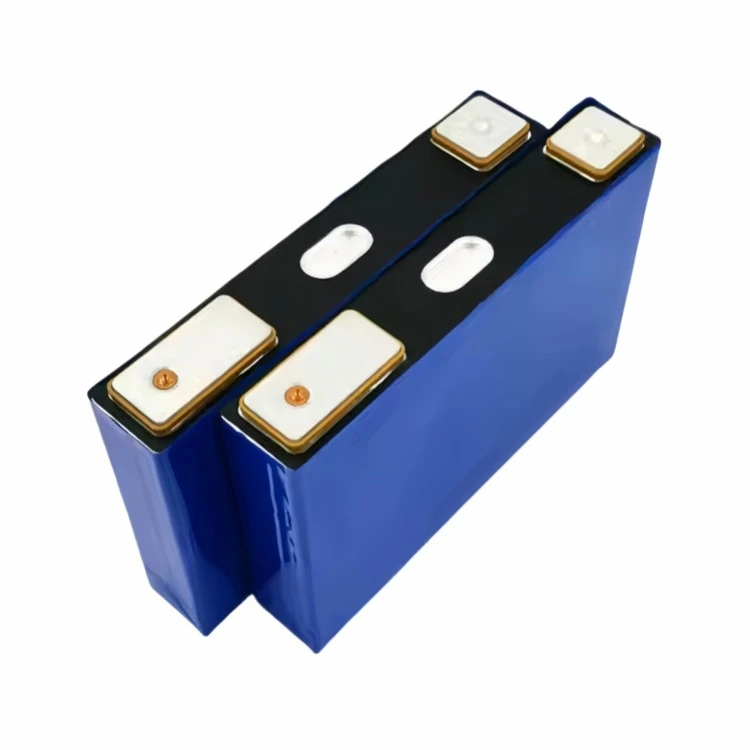
1. Battery Lifespan
The biggest impact of DOD on our 3.67V 78Ah NCM battery is on its lifespan. In general, lower DODs are much better for the longevity of these batteries. When you discharge the battery to a lower depth, say 20 - 30%, you're putting less stress on the internal components.
The chemical reactions inside an NCM battery are quite complex. Each time you charge and discharge the battery, lithium ions move between the cathode and the anode. When you have a high DOD, these lithium ions have to travel much farther, and more of them can get stuck in the lattice structure of the electrodes. Over time, this can lead to a build - up of debris and a decrease in the battery's ability to hold a charge.
For instance, if you constantly discharge our 3.67V 78Ah NCM battery to 80 - 90% DOD, you might notice that its capacity starts to degrade much faster. You'll find that after a few hundred charge - discharge cycles, it won't hold as much charge as it used to. On the other hand, if you keep the DOD below 50%, you can expect the battery to last for thousands of cycles.
2. Performance Degradation
Apart from lifespan, DOD also affects the performance of the 3.67V 78Ah NCM battery. When you have a high DOD, the battery's internal resistance increases. This means that more energy is lost as heat during the charging and discharging process. And as the internal resistance goes up, the battery's ability to deliver high - power loads also decreases.
Let's say you're using the battery in an application that requires a sudden burst of power, like in an electric vehicle during acceleration. A battery that has been subjected to high DOD levels might not be able to deliver that power as efficiently. You could experience a slower acceleration or a drop in performance.
This performance degradation can also be seen in terms of voltage stability. At high DODs, the battery voltage drops more rapidly, which can cause problems for the devices that rely on a stable power supply. In contrast, keeping the DOD low helps maintain a more stable voltage output, providing a consistent power source for your equipment.
3. Temperature Management
DOD also has an impact on the temperature of the battery. Higher DODs usually lead to more heat generation during charging and discharging. This is because, as mentioned earlier, the internal resistance goes up, and more energy is dissipated as heat.
Excessive heat is not good for our 3.67V 78Ah NCM battery. It can speed up the degradation process and even pose a safety risk. High temperatures can cause the electrolyte inside the battery to break down, leading to the formation of gas and potentially swelling or even exploding the battery.
So, if you want to keep your battery in good shape, it's important to manage the DOD to keep the temperature in check. Running the battery at a lower DOD will result in less heat generation, which is better for both the performance and the safety of the battery.
How to Optimize DOD
Now that we know how DOD affects our 3.67V 78Ah NCM battery, how can we optimize it?
One way is to use a battery management system (BMS). A good BMS can monitor the battery's state of charge and prevent over - discharge. It can set limits on the DOD, ensuring that the battery never goes below a certain level. This way, you can protect the battery from the negative effects of high DODs.
Another strategy is to use the battery in a well - designed application. For example, if you're using the battery in a solar energy storage system, you can size the system in such a way that the battery is never fully discharged. You can also schedule the charging and discharging cycles to keep the DOD within a safe range.
Comparing with Other Batteries
We also offer other NCM lithium - ion batteries, such as the 3.7V 147Ah NCM Lithium Ion Battery, Prismatic 3.65V 55Ah NCM Lithium Ion Battery Cell, and Prismatic 3.73V 58Ah NCM Lithium Ion Battery Cell. The principles of how DOD affects these batteries are similar to our 3.67V 78Ah NCM battery. However, due to their different capacities and voltage ratings, the optimal DOD ranges might vary slightly.
For larger capacity batteries like the 3.7V 147Ah NCM battery, a slightly higher DOD might be acceptable as long as it's monitored properly. Smaller capacity batteries, on the other hand, may be more sensitive to high DODs and require a more conservative approach to ensure a long lifespan.
Wrapping It Up
In conclusion, the depth of discharge has a huge impact on the lifespan, performance, and safety of our 3.67V 78Ah NCM lithium - ion battery. By understanding how DOD works and taking steps to optimize it, you can get the most out of your battery and ensure that it serves you well for a long time.
If you're in the market for high - quality NCM lithium - ion batteries, whether it's our 3.67V 78Ah model or any of our other offerings, we'd love to hear from you. Feel free to reach out to us to discuss your specific needs and learn more about how our batteries can power your applications.
References
- Johnson, M. (2020). "Understanding Lithium - Ion Battery Degradation". Journal of Battery Technology.
- Smith, A. (2019). "The Impact of Depth of Discharge on Battery Performance". Power Systems Research.