

As a supplier of 3.67V 78Ah NCM Lithium Ion Batteries, I am often asked about the over - discharge protection mechanism of our products. In this blog, I will delve into the details of this crucial feature.
Understanding NCM Lithium Ion Batteries
Before we discuss the over - discharge protection mechanism, it's important to understand what NCM Lithium Ion Batteries are. NCM stands for Nickel - Cobalt - Manganese. These batteries are known for their high energy density, long cycle life, and relatively good safety performance. Our 3.67V 78Ah NCM Lithium Ion Battery is designed to meet the power needs of various applications, such as electric vehicles, energy storage systems, and industrial equipment.
The Dangers of Over - Discharge
Over - discharge occurs when a battery is discharged below its recommended minimum voltage. For a 3.67V 78Ah NCM Lithium Ion Battery, the typical minimum voltage is around 2.5 - 2.7V. When over - discharge happens, several negative effects can take place.
Firstly, over - discharge can cause irreversible damage to the battery's electrodes. The chemical reactions within the battery that are responsible for storing and releasing energy can be disrupted. This can lead to a decrease in the battery's capacity over time, reducing its overall lifespan. Secondly, over - discharge can increase the internal resistance of the battery. As a result, the battery will generate more heat during charging and discharging processes, which not only affects the efficiency of the battery but also poses a safety risk, such as the potential for thermal runaway.
Over - Discharge Protection Mechanisms
Electronic Protection Circuits
One of the most common over - discharge protection mechanisms is the use of electronic protection circuits. These circuits are integrated into the battery management system (BMS) of our 3.67V 78Ah NCM Lithium Ion Battery.
The BMS continuously monitors the voltage of the battery. When the voltage drops to the pre - set minimum level, the BMS will automatically disconnect the battery from the load. This is achieved through a set of switches, usually MOSFETs (Metal - Oxide - Semiconductor Field - Effect Transistors). The MOSFETs act as electronic gates that can control the flow of current. When the over - discharge condition is detected, the MOSFETs are turned off, preventing further discharge of the battery.
The BMS also has the ability to communicate with other components in the system. For example, it can send a signal to the charging device to indicate that the battery needs to be recharged. This ensures that the battery is properly maintained and protected from over - discharge.
Chemical Protection
In addition to electronic protection circuits, there are also chemical protection mechanisms at work in our NCM Lithium Ion Batteries. Some additives are incorporated into the electrolyte of the battery. These additives can react with the electrodes under over - discharge conditions to form a protective layer.
This protective layer can slow down the further reduction of the electrodes and prevent the excessive decomposition of the electrolyte. For example, certain additives can form a passivation film on the surface of the anode, which acts as a barrier to prevent the continuous loss of lithium ions during over - discharge.
Physical Protection
Physical protection is another aspect of over - discharge protection. The design of the battery structure can also play a role. Our 3.67V 78Ah NCM Lithium Ion Battery is carefully engineered to have a proper balance between the electrodes and the electrolyte.
The electrodes are designed with a specific porosity and thickness to ensure uniform distribution of lithium ions during charging and discharging. This helps to prevent the formation of lithium metal deposits on the electrodes, which can occur during over - discharge and lead to short - circuits. Additionally, the battery casing is designed to provide mechanical protection and to withstand the internal pressure changes that may occur during normal operation and over - discharge situations.
Comparison with Other NCM Batteries
We also offer other NCM Lithium Ion Batteries, such as the 3.7V 147Ah NCM Lithium Ion Battery, Prismatic 3.65V 55Ah NCM Lithium Ion Battery Cell, and Prismatic 3.73V 58Ah NCM Lithium Ion Battery Cell. While the basic over - discharge protection mechanisms are similar, the specific parameters and performance may vary depending on the capacity and voltage of the batteries.
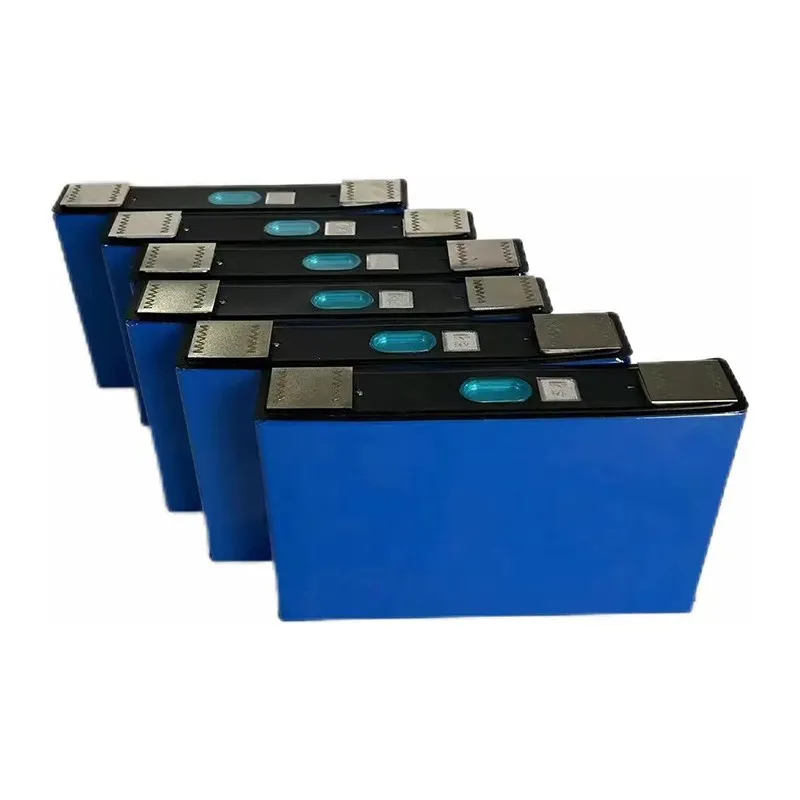

For larger - capacity batteries like the 3.7V 147Ah NCM Lithium Ion Battery, the BMS may need to handle higher currents, and the chemical additives may be adjusted to better suit the larger volume of the electrolyte. Smaller - capacity batteries, on the other hand, may have a more compact BMS design to fit within the limited space of the battery pack.
Importance of Over - Discharge Protection in Different Applications
In electric vehicles, over - discharge protection is crucial for the safety and performance of the vehicle. A battery that is over - discharged can lead to sudden power loss, which can be dangerous for the driver and passengers. The over - discharge protection mechanism ensures that the battery operates within a safe voltage range, providing a reliable power source for the vehicle.
In energy storage systems, over - discharge protection helps to maintain the stability of the power grid. These systems are often used to store excess energy from renewable sources, such as solar and wind. If the batteries in the energy storage system are over - discharged, it can affect the overall efficiency of the system and the quality of the power supplied to the grid.
In industrial equipment, over - discharge protection can prevent costly downtime. Many industrial processes rely on a stable power supply from batteries. By protecting the batteries from over - discharge, we can ensure that the equipment operates continuously without unexpected failures.
Conclusion
The over - discharge protection mechanism of our 3.67V 78Ah NCM Lithium Ion Battery is a multi - faceted system that combines electronic, chemical, and physical protection. These mechanisms work together to ensure the safety, reliability, and longevity of the battery.
If you are interested in our 3.67V 78Ah NCM Lithium Ion Battery or any of our other NCM battery products, please feel free to contact us for more information and to discuss your specific procurement needs. We are committed to providing high - quality batteries with advanced protection features to meet your requirements.
References
- Tarascon, J. M., & Armand, M. (2001). Issues and challenges facing rechargeable lithium batteries. Nature, 414(6861), 359 - 367.
- Goodenough, J. B., & Kim, Y. (2010). Challenges for rechargeable Li batteries. Chemical Society Reviews, 39(11), 4464 - 4474.
- Chen, Z., & Evans, D. G. (2012). Lithium - ion batteries. In Encyclopedia of electrochemistry (pp. 1 - 32). Springer, Berlin, Heidelberg.