

Hey there! As a supplier of NCM battery cells, I've been getting a lot of questions about the differences between NCM 523, NCM 622, and NCM 811 battery cells. So, I thought I'd write this blog to break it all down for you in a simple and easy-to-understand way.
Let's start with a quick intro. NCM stands for Nickel - Cobalt - Manganese. These three elements are the main components of the cathode material in these lithium - ion battery cells, and the numbers in NCM 523, NCM 622, and NCM 811 represent the molar ratio of nickel, cobalt, and manganese respectively.
Energy Density
One of the most significant differences between these battery cells is their energy density. Energy density is super important as it determines how much energy a battery can store in a given volume or weight.
NCM 811 has the highest energy density among the three. With a nickel content of 80%, it can store a large amount of energy. This makes it a great choice for applications where space and weight are critical factors, like electric vehicles (EVs). Higher energy density means that EVs can travel longer distances on a single charge. For instance, if you're using 3.67V 78Ah NCM Lithium Ion Battery based on NCM 811 technology, you can expect a decent range for your electric vehicle.
NCM 622 comes next in terms of energy density. It has a 60% nickel content, which gives it a good balance between energy storage and other performance factors. It's also used in EVs, but it might not offer the same long - range capabilities as NCM 811.
NCM 523 has the lowest energy density of the three. It has a 50% nickel content, and while it can still store a reasonable amount of energy, it's not as efficient as the other two in terms of packing energy into a small space. However, it's still widely used in many applications, including some consumer electronics and smaller electric vehicles. You can find Prismatic 3.65V 55Ah NCM Lithium Ion Battery Cell using NCM 523 technology, which is suitable for various mid - range applications.
Cost
Cost is another crucial factor when choosing between these battery cells.
Cobalt is one of the most expensive elements used in these batteries. Since NCM 523 has a relatively higher cobalt content compared to NCM 622 and NCM 811, it tends to be more expensive. The higher cobalt content also has some ethical and supply - chain concerns as a large portion of cobalt is mined under less - than - ideal conditions.
NCM 622 has a lower cobalt content than NCM 523, which makes it a bit more cost - effective. It's a good compromise between cost and performance, which is why it's quite popular in the market.
NCM 811 has the lowest cobalt content among the three. This not only reduces the cost but also helps to address some of the ethical and supply - chain issues associated with cobalt. However, the production of NCM 811 is more complex, and there are some challenges in terms of its stability and safety, which can add to the overall cost in some cases.
Safety and Stability
Safety is a top priority when it comes to battery cells.
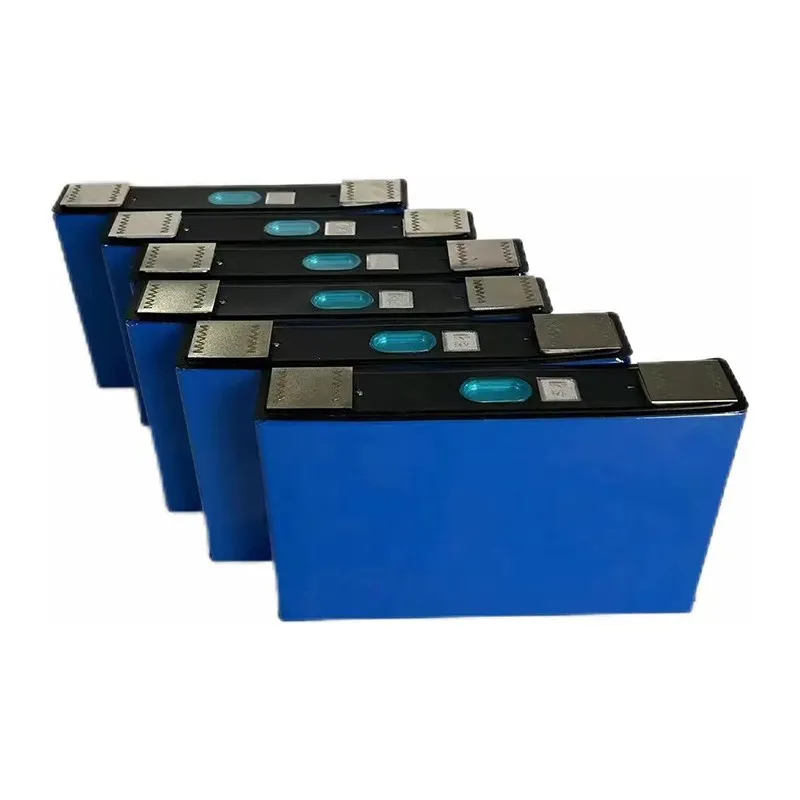

NCM 523 is known for its relatively good safety and stability. The lower nickel content makes it less prone to thermal runaway, which is a serious safety issue in lithium - ion batteries. Thermal runaway can cause the battery to overheat, catch fire, or even explode. So, if safety is your main concern, NCM 523 might be a good option. You can rely on Prismatic 3.73V 58Ah NCM Lithium Ion Battery Cell with NCM 523 technology for a more stable performance.
NCM 622 also offers a decent level of safety. While it has a higher nickel content than NCM 523, manufacturers have developed various techniques to improve its stability. However, it still requires proper thermal management and safety systems to prevent any potential issues.
NCM 811, on the other hand, has some safety challenges. The high nickel content makes it more reactive, and it's more likely to experience thermal runaway. But the industry has been working hard to overcome these challenges. New technologies and manufacturing processes are being developed to improve the safety and stability of NCM 811 batteries.
Cycle Life
Cycle life refers to the number of charge - discharge cycles a battery can go through before its capacity drops to a certain level.
NCM 523 generally has a longer cycle life compared to NCM 622 and NCM 811. The lower nickel content means that the battery experiences less stress during charge - discharge cycles, which helps to preserve its capacity over time.
NCM 622 has a decent cycle life, but it's not as long as that of NCM 523. The higher nickel content in NCM 622 can cause some degradation of the battery over multiple cycles.
NCM 811 has the shortest cycle life among the three. The high reactivity of the high - nickel cathode material can lead to faster degradation of the battery, especially under high - stress conditions. However, research is ongoing to improve the cycle life of NCM 811 batteries.
Applications
The differences in energy density, cost, safety, and cycle life make each of these battery cells suitable for different applications.
NCM 523 is widely used in consumer electronics like smartphones, laptops, and tablets. Its good safety and stability, along with a reasonable energy density, make it a reliable choice for these devices. It's also used in some smaller electric vehicles and energy storage systems.
NCM 622 is a popular choice for electric vehicles, especially in mid - range models. It offers a good balance between cost, energy density, and safety, which makes it suitable for mass - market EVs. It's also used in some energy storage applications.
NCM 811 is mainly targeted at high - end electric vehicles that require long - range capabilities. The high energy density allows EVs to travel longer distances, which is a major selling point for consumers. It's also being considered for some large - scale energy storage projects.
Conclusion
In conclusion, NCM 523, NCM 622, and NCM 811 battery cells each have their own unique characteristics. NCM 523 is great for applications where safety and long cycle life are important. NCM 622 offers a good balance between cost and performance, making it suitable for a wide range of applications. NCM 811 provides high energy density but comes with some safety and cycle life challenges.
If you're in the market for NCM battery cells, it's important to consider your specific requirements, such as energy density, cost, safety, and cycle life. As a supplier, I can help you choose the right battery cell for your application. If you have any questions or are interested in purchasing, feel free to reach out to me for a detailed discussion. We can work together to find the best solution for your needs!
References
- Goodenough, J. B., & Kim, Y. (2010). Challenges for rechargeable Li batteries. Chemistry of Materials, 22(3), 587 - 603.
- Tarascon, J. M., & Armand, M. (2001). Issues and challenges facing rechargeable lithium batteries. Nature, 414(6861), 359 - 367.