

When it comes to electrical systems, accurately measuring current is crucial for a wide range of applications, from industrial machinery to renewable energy systems. As a current sensor supplier, I understand the challenges that engineers and system designers face when selecting the right current sensor for their specific needs. In this blog post, I'll share some key considerations to help you make an informed decision.
Understanding the Basics of Current Sensors
Before diving into the selection process, it's important to have a basic understanding of how current sensors work. Current sensors are devices that measure the flow of electric current in a circuit. They can be broadly classified into two main types: direct and indirect sensing methods.
Direct sensing methods involve physically inserting the sensor into the current path. The most common type of direct current sensor is the shunt resistor, which measures the voltage drop across a known resistance to calculate the current. Shunt resistors are simple, low-cost, and offer high accuracy, but they can introduce additional resistance into the circuit, which may affect the performance of the system.
Indirect sensing methods, on the other hand, measure the magnetic field generated by the current without physically interrupting the circuit. Hall effect sensors and current transformers are two popular types of indirect current sensors. Hall effect sensors use the Hall effect to detect the magnetic field and convert it into an electrical signal, while current transformers use electromagnetic induction to measure the current. Indirect sensing methods are non-intrusive, which means they do not introduce additional resistance into the circuit, but they may be more complex and expensive than direct sensing methods.
Key Considerations for Choosing a Current Sensor
Now that you have a basic understanding of how current sensors work, let's take a look at some key considerations to keep in mind when selecting a current sensor for your application.
1. Measurement Range
The first and most important consideration is the measurement range of the current sensor. You need to choose a sensor that can accurately measure the current levels in your application. If the measurement range is too low, the sensor may saturate and provide inaccurate readings. On the other hand, if the measurement range is too high, the sensor may not be sensitive enough to detect small changes in current.
When determining the measurement range, you need to consider both the maximum and minimum current levels that your application will experience. For example, if you are designing a battery charging system, you need to choose a current sensor that can accurately measure the charging current, which may vary depending on the battery type and state of charge.
2. Accuracy
Accuracy is another important consideration when choosing a current sensor. The accuracy of a current sensor is typically specified as a percentage of the full-scale output. For example, a sensor with an accuracy of ±1% means that the measured value may deviate from the actual value by up to 1% of the full-scale output.
The accuracy of a current sensor can be affected by a number of factors, including temperature, magnetic field interference, and the quality of the sensor components. When selecting a current sensor, you need to choose a sensor with an accuracy that meets the requirements of your application. For applications that require high accuracy, such as precision measurement and control systems, you may need to choose a sensor with a higher accuracy rating.
3. Response Time
The response time of a current sensor is the time it takes for the sensor to respond to a change in current. The response time is an important consideration for applications that require fast and accurate current measurement, such as motor control and power electronics.
The response time of a current sensor can be affected by a number of factors, including the type of sensor, the bandwidth of the sensor, and the signal processing circuitry. When selecting a current sensor, you need to choose a sensor with a response time that meets the requirements of your application. For applications that require fast response times, such as high-speed motor control systems, you may need to choose a sensor with a higher bandwidth and a faster response time.
4. Isolation
Isolation is an important consideration for applications that require electrical isolation between the current-carrying conductor and the measurement circuit. Electrical isolation can help to protect the measurement circuit from high voltages and currents, as well as to reduce the risk of electrical shock.
There are two main types of isolation: galvanic isolation and optical isolation. Galvanic isolation uses a physical barrier, such as a transformer or an isolation amplifier, to separate the current-carrying conductor from the measurement circuit. Optical isolation uses an optical coupler to transfer the electrical signal from the current-carrying conductor to the measurement circuit without any electrical connection.
When selecting a current sensor, you need to choose a sensor with the appropriate type of isolation for your application. For applications that require high levels of isolation, such as high-voltage power systems and industrial automation, you may need to choose a sensor with galvanic isolation.
5. Size and Mounting
The size and mounting of the current sensor are also important considerations, especially for applications where space is limited. You need to choose a sensor that can fit into the available space and can be easily mounted on the circuit board or the equipment.
There are a variety of different sizes and mounting options available for current sensors, including through-hole, surface-mount, and clip-on sensors. Through-hole sensors are typically larger and require more space on the circuit board, but they are also more robust and can handle higher currents. Surface-mount sensors are smaller and more compact, which makes them ideal for applications where space is limited. Clip-on sensors are easy to install and can be used to measure the current in existing circuits without the need for any modifications.
6. Cost
Cost is always a consideration when selecting a current sensor. You need to choose a sensor that meets the requirements of your application at a reasonable cost. The cost of a current sensor can vary depending on a number of factors, including the type of sensor, the measurement range, the accuracy, the response time, and the isolation.
When comparing the cost of different current sensors, you need to consider the total cost of ownership, which includes the cost of the sensor, the cost of installation, the cost of maintenance, and the cost of replacement. For applications that require high accuracy and reliability, you may need to invest in a more expensive sensor, but the long-term benefits may outweigh the initial cost.
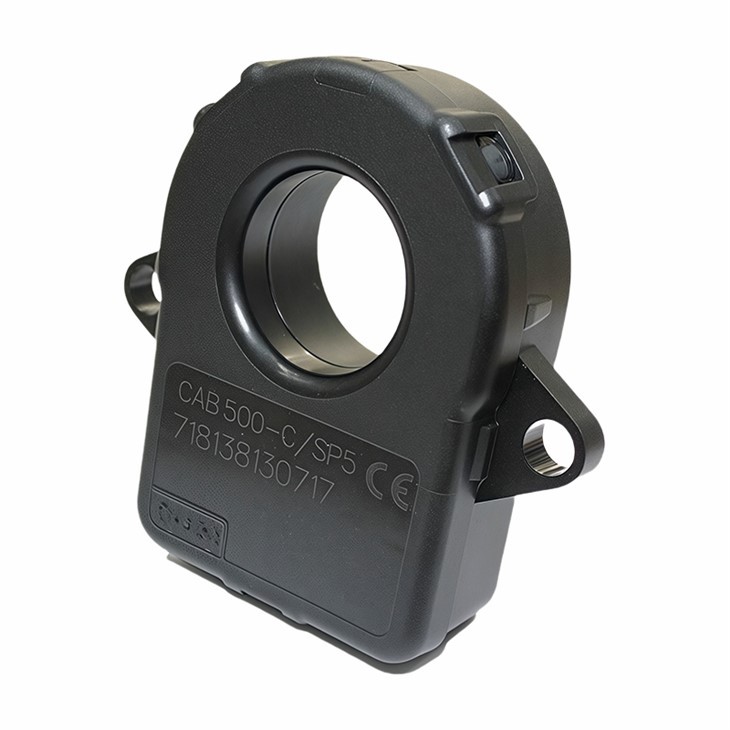
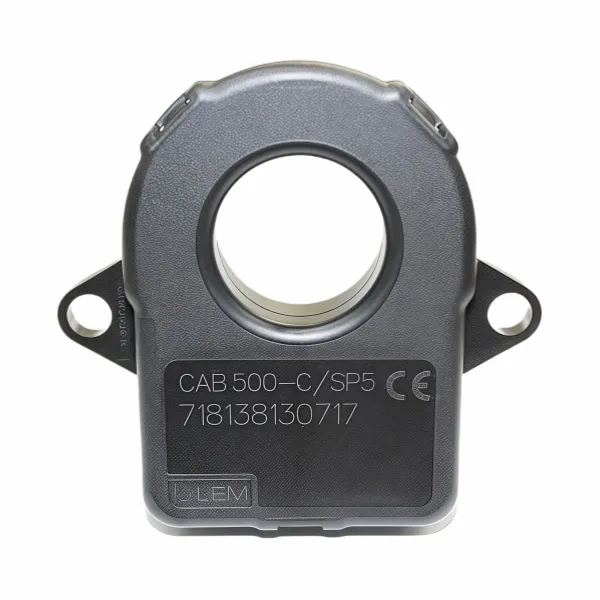
Example: LEM CAB500C 12V CAB500 Current Sensor
One example of a high-quality current sensor is the LEM CAB500C 12V CAB500 Current Sensor. This sensor is designed for use in a wide range of applications, including battery monitoring, power management, and industrial automation.
The LEM CAB500C 12V CAB500 Current Sensor offers a number of features and benefits, including:
- High Accuracy: The sensor has an accuracy of ±0.5%, which makes it suitable for applications that require high precision current measurement.
- Wide Measurement Range: The sensor can measure currents up to 500A, which makes it suitable for a wide range of applications.
- Fast Response Time: The sensor has a response time of less than 100µs, which makes it suitable for applications that require fast and accurate current measurement.
- Galvanic Isolation: The sensor offers galvanic isolation up to 1000V, which helps to protect the measurement circuit from high voltages and currents.
- Compact Size: The sensor has a compact size, which makes it easy to install in a variety of different applications.
Conclusion
Choosing the right current sensor for your application is a critical decision that can have a significant impact on the performance and reliability of your electrical system. By considering the key factors discussed in this blog post, you can make an informed decision and select a sensor that meets the requirements of your application.
If you have any questions or need further assistance in choosing a current sensor, please feel free to contact us. We are a leading current sensor supplier and have a team of experienced engineers who can help you find the right sensor for your specific needs. Whether you are designing a new electrical system or upgrading an existing one, we can provide you with the high-quality current sensors and support you need to ensure the success of your project.
References
- "Current Sensors: A Comprehensive Guide," by Analog Devices.
- "How to Select a Current Sensor," by Texas Instruments.
- "Understanding Current Sensors," by Honeywell.